By Cristina Russo
/ 17 May 2021
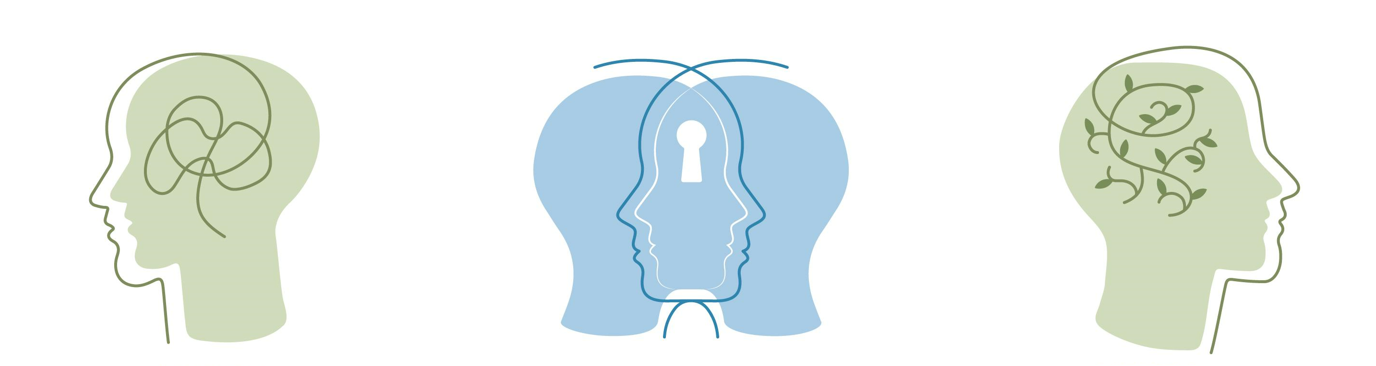
"In the same way as the individual's aspirations, emotions, thoughts, and sensations impact each other (micro), the individual impacts the...
Read More

Contractual Strategies for Implementing Corporate Due Diligence into Global Supply Chains
By Pia Rebelo
/ 14 August 2024
The most noteworthy development has been the approval of the EU Corporate Sustainability Due Diligence Directive (CSDDD or the Directive...
Read More
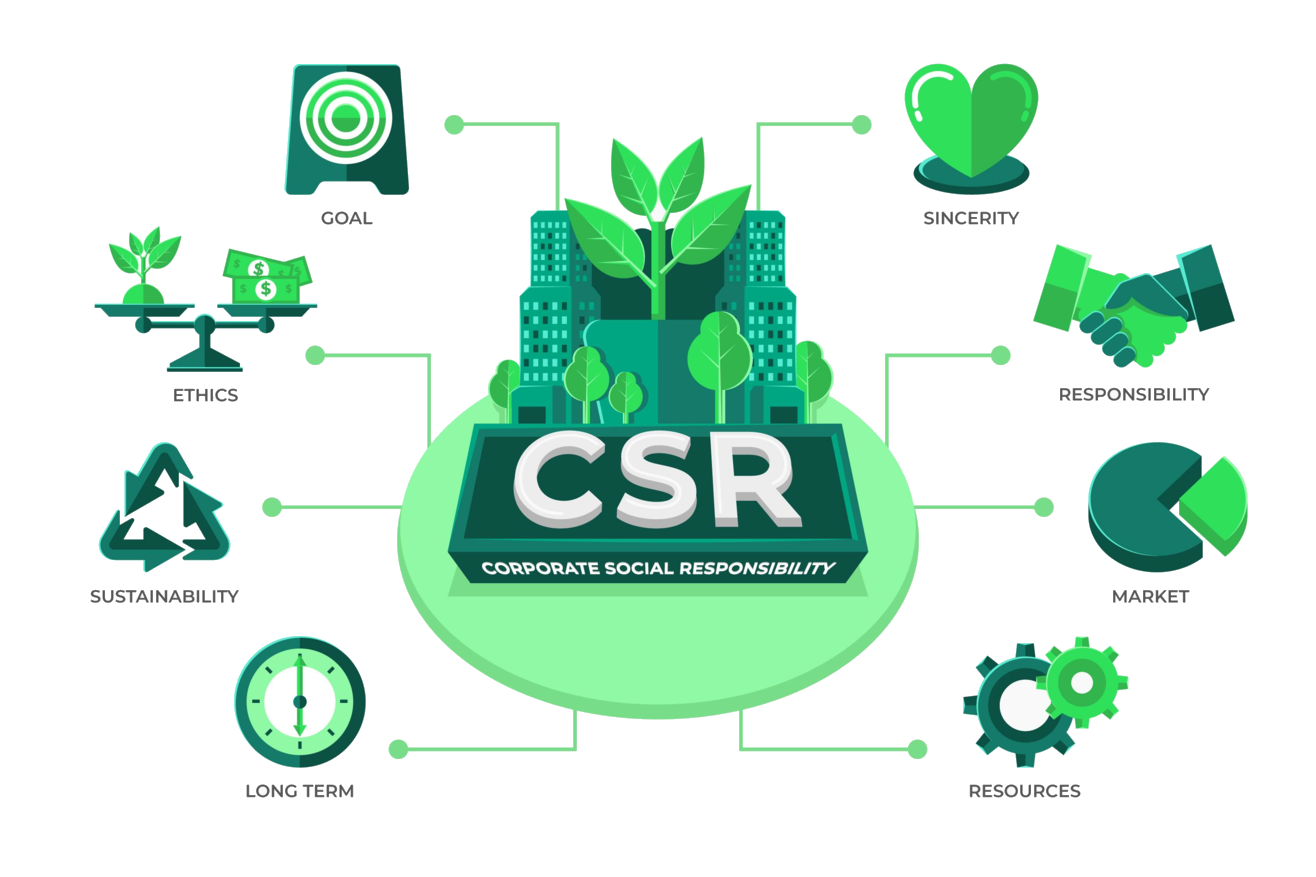
How to include a Sustainable Packaging Value Chain in your CSR Strategy
By Kitty Lai
/ 25 March 2024
It's interesting to think about how the idea of sustainable development first gained traction at the 1972 United Nations Conference...
Read More
Interview: Cherrie Lo on Luxury Chocolate and Sustainability
By Cristina Russo
/ 7 July 2023
I had the privilege to interview Cherrie Lo 盧曉婷 who is a Chocolate Expert, Board Member and Grand Jury at...
Read More
Water Management Strategies to Mitigate and Prevent ESG Risks
By Felix Atamba
/ 16 May 2023
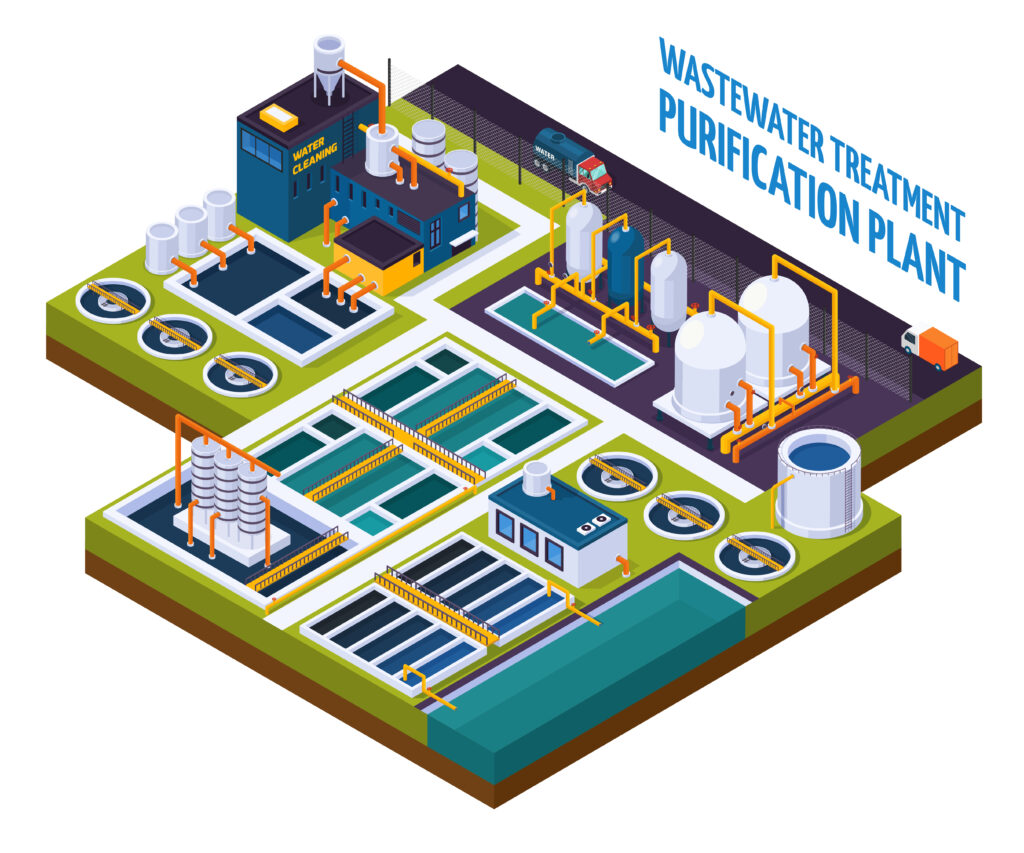
Sustainable Water Optimisation guarantees global water quality and water security which are the foundations of Healthy economies and Business Eco-systems....
Read More
Interview: Melissa Lapides on Psychological Safety and Consumer Rights
By Cristina Russo
/ 14 February 2023
Melissa Lapides is a licensed Psychotherapist and Trauma Expert. She is the Founder of the SafeSpace Institute which provides trauma-informed training...
Read More
Interview: Victoria Eley on Property Investment and Supported Living
By Cristina Russo
/ 12 October 2022
Our investors all know and understand our mission to help vulnerable people, they all appreciate that their investment assists us...
Read More
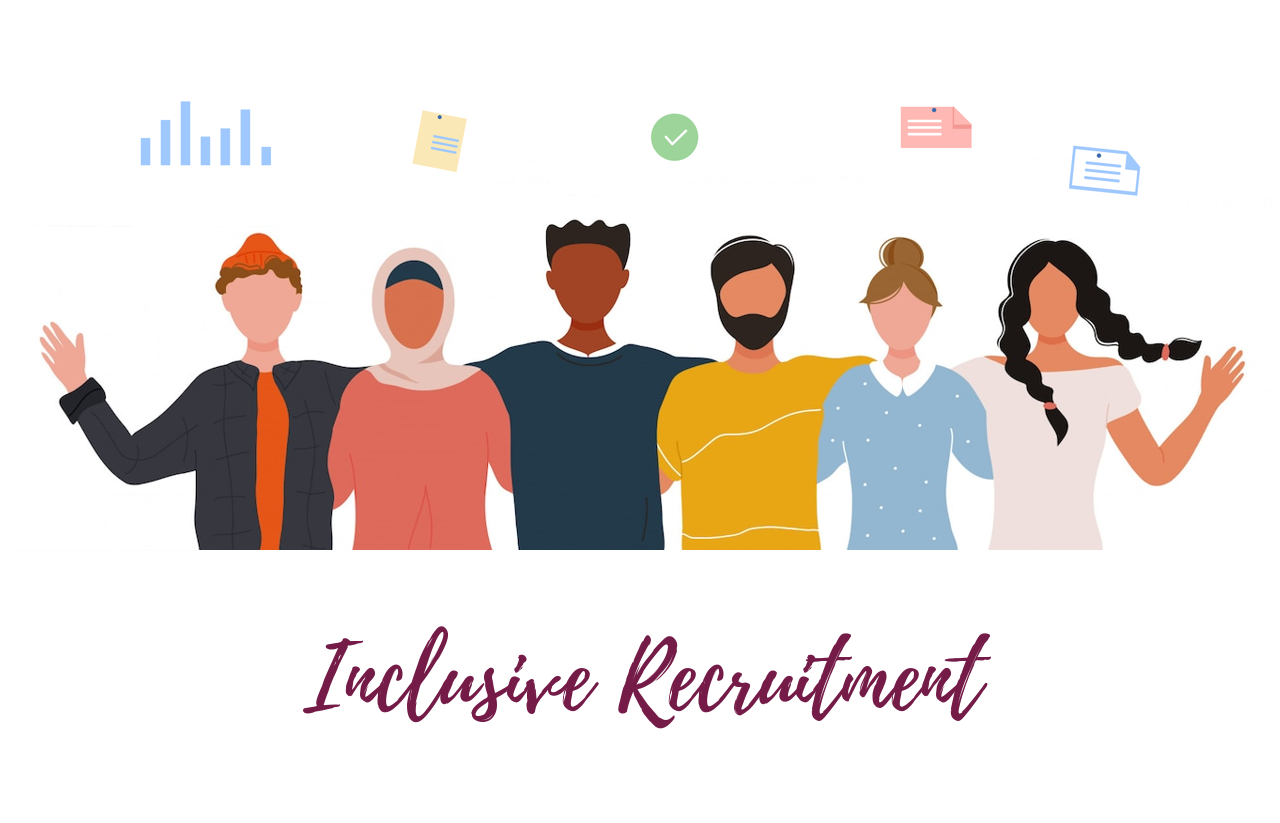
Charity People: Inclusive Recruitment Practices for Innovative Businesses
By Hanan Kasmi
/ 1 October 2022
Many senior leaders would recognise that there is still significant work to do to ensure that our workplaces are more...
Read More
YSB: Impact Management Strategies for Corporate Innovation
By Cristina Russo
/ 4 July 2022
I had the pleasure and privilege to explore with Nora Praher YSB's innovative approach and management strategies for Social entrepreneurs...
Read More
Agroecology: Sustainable Innovation for an Inclusive Value Chain
By Felix Atamba
/ 25 May 2022
The Role of Agriculture in Socio-economic Development Agriculture remains the mainstay of the natural economy, a key sector in the...
Read More
Interview: Stefania Di Bartolomeo on Sustainable Investing and Reporting.
By Cristina Russo
/ 5 April 2022
I had the pleasure and privilege of interviewing Stefania Di Bartolomeo (One of the most remarkable leaders in the Fintech...
Read More

Modern Totems: When Brands Become Identity
When do brands become cultural symbols?
We fragment ourselves across multiple brands, each representing a different facet of who we claim to be. The products we purchase have become integral to our identity. Over the centuries, brands have become modern totems that empower people and give them a sense of belonging. Today, brands play a sacred role in identity formation—we build our identity, signal our values and establish social status, express who we are, and find our tribes through the symbols we consume. This raises urgent questions: Does brand-based belonging create genuine community, or disconnected micro-tribes? What happens to authentic identity when self-awareness becomes dependent on commercial symbols designed to extract value?
How do our values contribute to the organisational culture?
We carry our values into every organisation we join. Organisational culture is the living accumulation of daily choices, conversations, and priorities that each person brings to work. When we consciously name our values and act from them consistently, we give others permission to do the same. We create small spaces where authenticity can flourish: speaking up when decisions conflict with stated principles, celebrating colleagues who embody integrity over expediency, choosing collaboration over competition when no one is watching. The question isn’t whether our values shape culture—they always do. The question is whether we bring them consciously or let them be diluted by silence. Organisations change one conversation, one decision, one authentic act at a time. Your values aren’t just principles you hold—they’re invitations you extend to others about what kind of workplace we can build together.
What's the role of personal identity for our wellbeing?
Our personal identity has always been rooted in symbols as anchors and metaphors of the story we create for ourselves and others. Wellbeing flourishes when our symbolic associations reflect authentic connections: to heritage, to community, to purpose, to the people and places that have genuinely shaped who we are. From our earliest days in nursery, colours and letters organised us into groups, giving us our first sense of collective identity and belonging. We learned that symbols carry stories: flags represent nations and logos embody legacies. The Lily of Florence with its elegant intricate design incorporates centuries of history, civic pride, and personal connection between my childhood and my hometown’s identity. My father’s company logo with his initials becomes more than a brand mark—it’s his legacy, aspiration, and the embodiment of values transmitted through the memories I hold of the time spent in his office, where I used to write on his typewriter machine. Each symbol we connect with becomes part of our internal landscape, shaping how we see ourselves and navigate the world.


By Cristina Russo
Do ethical investment criteria shape organisational decision making?
We Facilitate
Interindustry Collaboration
Corporate Value Chain
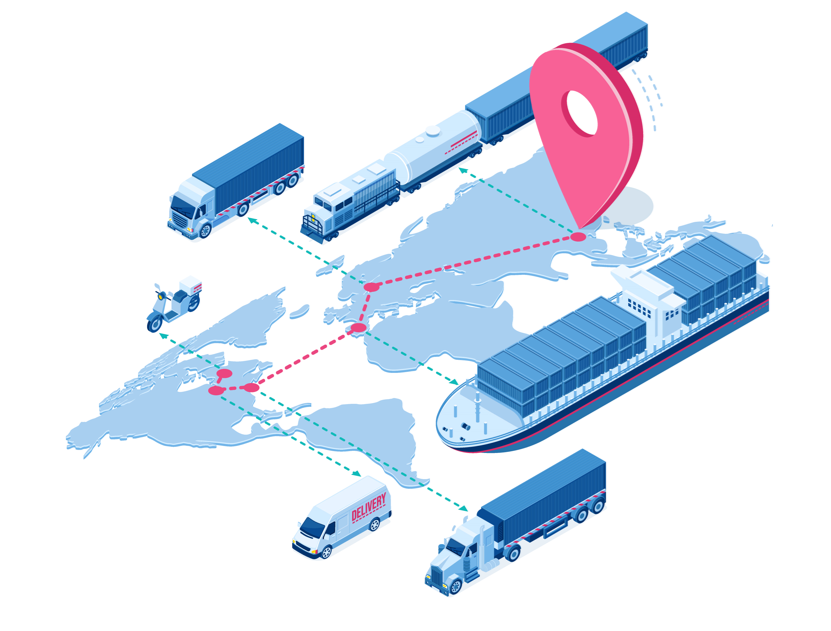
In order to set requirements and quality criteria for products and services that are purchased, procurement specialists collaborate closely with suppliers. Organisations can guarantee that products meet consumer’s expectations by using stringent quality assurance methods, such as supplier performance assessments, audits, and inspections. This lowers the likelihood of defects and product recalls.
What’s the difference between a sustainable product and an ethical product?
Sustainable products prioritize environmental impact, while ethical products encompass social and labour considerations. Sustainability focuses on ecological concerns, while ethics emphasize social responsibility. Products can be sustainable without being ethical, ethical without being sustainable, or ideally both.
Strategies for managing Systemic Risks
In recent decades, we have contributed, collectively, to the creation of a globalized economy in which exogenous risks; risks that originate elsewhere in the global interconnected system and spread to local operations; have become increasingly critical as the Covid-19 pandemic has underscored. While traditional risk methodologies focus mainly on localized, endogenous risks; exogenous risks require a new methodology of systemic identification and measurement.
We Bridge
The Communication Gap amongst Industries
- Contractual Strategies for Implementing Corporate Due Diligence into Global Supply Chains
- How to include a Sustainable Packaging Value Chain in your CSR Strategy
- Interview: Cherrie Lo on Luxury Chocolate and Sustainability
- Interview: Melissa Lapides on Psychological Safety and Consumer Rights
- Interview: Victoria Eley on Property Investment and Supported Living
- Charity People: Inclusive Recruitment Practices for Innovative Businesses
- Interview: Stefania Di Bartolomeo on Sustainable Investing and Reporting.
- Organisational Resilience Practices for Workflow Management and ROI
- How to Plan a Successful Creative Project
- Interview: Kitty Lai On Leadership and Team Management
❝ Sustainable Leadership means feeling responsible for other people needs and resources.
Cristina Russo
- Interview: Melissa Lapides on Psychological Safety and Consumer Rights
- Interview: Victoria Eley on Property Investment and Supported Living
- Charity People: Inclusive Recruitment Practices for Innovative Businesses
- The Benefits of Rituals For A Healthy and Inclusive Business Ecosystem
- Martial Arts: An Empowering Practice for High Performing Teams
- Corporate Mindfulness: How to Increase Focus and Improve Communication with Remote Teams.
- 7 Tips for Conscious Leaders: How to Efficiently Manage and Motivate Remote Teams
- 5 Strategies to Maintain Empathetic Long-term Customer Relationships
- Best Practices for Conflict Prevention in a High-Stress Work Environment
- Contractual Strategies for Implementing Corporate Due Diligence into Global Supply Chains
- How to include a Sustainable Packaging Value Chain in your CSR Strategy
- Interview: Cherrie Lo on Luxury Chocolate and Sustainability
- Water Management Strategies to Mitigate and Prevent ESG Risks
- Interview: Victoria Eley on Property Investment and Supported Living
- YSB: Impact Management Strategies for Corporate Innovation
- Agroecology: Sustainable Innovation for an Inclusive Value Chain
- How Ethical Marketing Fosters and Enhances Customer Engagement Strategies
- Interview: Cornelia Walther on Strategic Development for Sustainable Social Change
- The Relationship between Waste Management, Technology and Innovation
❝ Sustainable leaders are those who can meet those needs and optimise those resources.
Cristina Russo
Mental Health
and
Team Performance
Our Workplace Wellbeing Champions
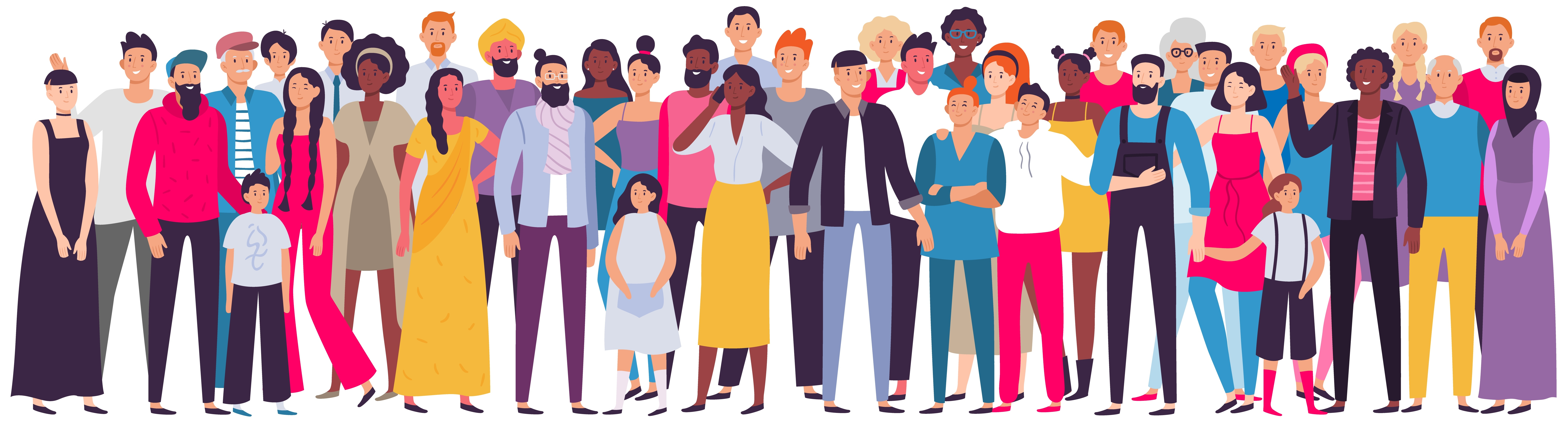
When Communities Thrive Together They Drive Change